
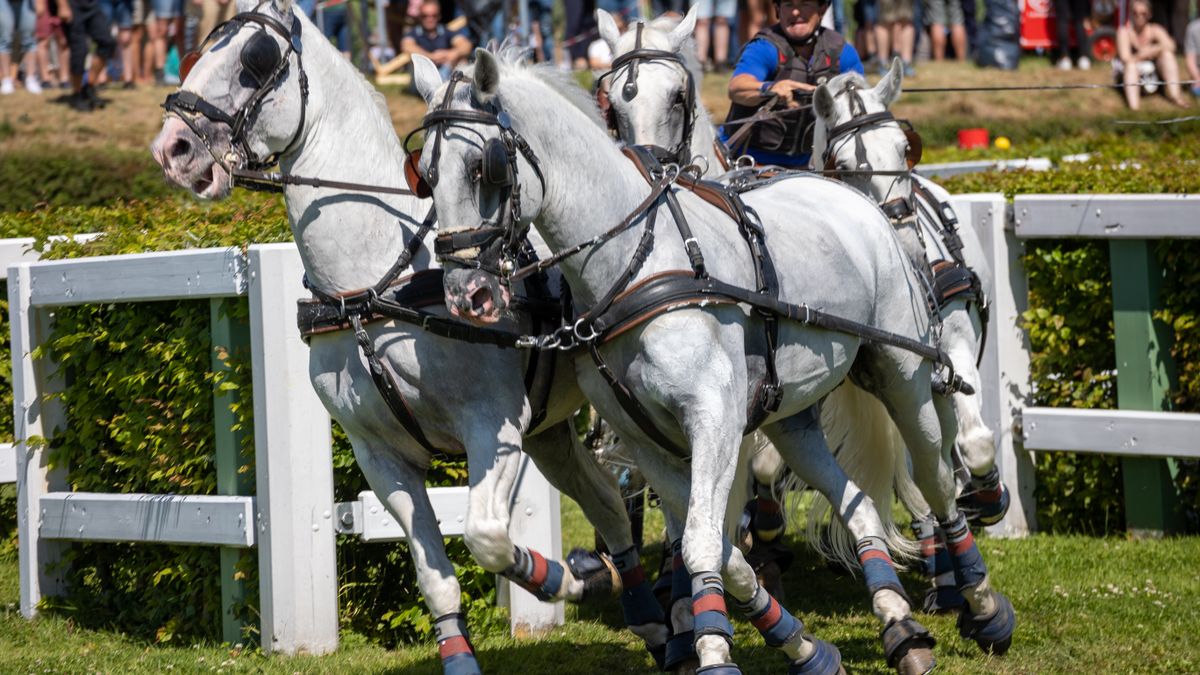
Step into a carriage museum and you are not simply looking at old vehicles. You are reading a story of British rural life, trade, and ingenuity. From the humble farm cart to the glittering state coach, horse-drawn transport shaped how people travelled, worked, and socialised for centuries. Heritage carriage museums – often tucked inside former stables, coach houses, or rural life centres – preserve these remarkable machines alongside the harness, tools, and documents that kept them moving. A thoughtful visit reveals the craft of the coachbuilder, the skill of the harness maker, and the social history written into every panel and spring. Take your time. These collections reward close looking.
Carriages are engineering marvels in wood, iron, and brass. Look at the wheels: spokes of ash, felloes of elm, and an iron tyre shrunk on hot to bind the whole. The suspension – elliptic springs, C-springs, or even early rubber – was designed to soften Britain's rutted roads. Notice the turning circle, the balance of a gig, or the reinforced undercarriage of a luggage cart. Details to seek out: maker's plates, stamped axle caps, and the elegant curves of a brougham. Many museums have volunteers restoring carriages; if you see one working, ask about the timbers and finishes. Their knowledge is often the highlight of a visit.
Harness is where horse and vehicle meet, and it is astonishingly complex. A single driving harness includes a bridle, bit, reins, breast collar or full collar, traces, and breeching. For a pair, you add pole chains and couplings; for four-in-hand, a whole system of reins. In museum displays, look for supple leather, even stitching, and polished bits. Care lessons for anyone who drives: clean leather with saddle soap after every use, check stitching and buckles, and store harness in a dry, airy place away from direct heat. Never force stiff leather – feed it gradually. Museums often show historic harness alongside modern conservation techniques, so you can see what good care looks like.
Every carriage tells you who travelled and why. A dog cart was light and sporty; a governess cart carried children and a maid; a landau was for formal occasions, its hood folding in two. Farm carts and timber carriages speak of rural labour, while a phaeton or a barouche signals wealth and leisure. Look for crests, lamps, and upholstery – velvet for the gentry, leather for the driver. Ask about provenance. A carriage with a known history, perhaps used by a particular family or on a specific estate, brings the past vividly to life. Many museums hold archives of local coachbuilders, so you can trace a vehicle to its maker.
Heritage carriage museums are often small and run by volunteers, so a little planning goes a long way.
Wear comfortable shoes, as rural life museums often have uneven cobbles and gravel yards.
Carriages did not exist in isolation. They depended on wheelwrights, blacksmiths, saddlers, and stable hands – trades that shaped villages and market towns. Many heritage sites include a forge, a tack room, or a workshop, so you can see the whole network. Look for connections: a tollhouse, a milestone, or a set of mounting steps. If you can, visit during a heavy horse event or a ploughing match, where harness and carriages are shown in action. That living context turns a static display into a quiet lesson in rural heritage. Take your time, ask questions, and leave with a deeper respect for the craft that once moved Britain.

Hi, my name is Anthony kuber. I am artist and fashion designer.
I love to travel and writing blogging.
Your email address will not be published. Required fields are marked *
Software Developer & Writer
Hey, I'm Diva, a developer and writer blending code and creativity. I'm driven by a deep curiosity and a relentless pursuit of excellence. Join me as I craft digital solutions and captivating stories.


