
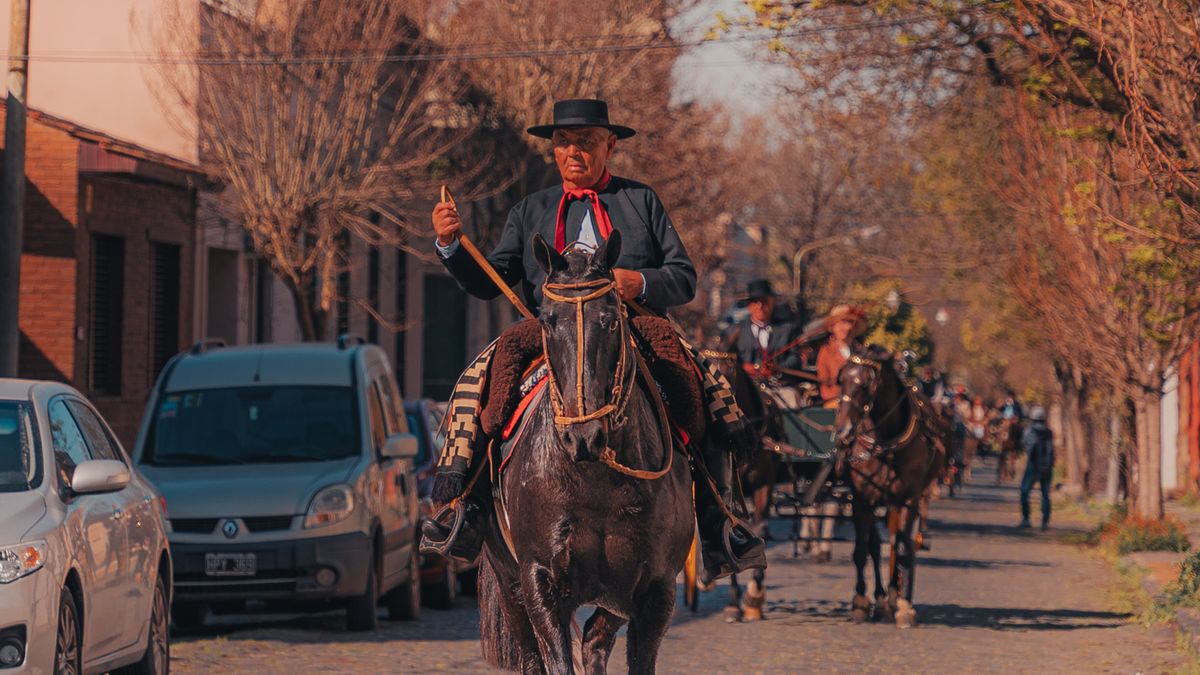
There is something quietly perfect about a line of turnouts making their way along a hedged lane on a September morning: polished brass, creaking leather, the steady clip of hooves on tarmac, and a village hall at the end with the urn already boiling. Traditional carriage driving draws on centuries of rural working practice, and it makes an excellent basis for a fundraiser. Entrants bring their own horses and harness, the route uses lanes and byways that already exist, and the spectacle attracts spectators who will happily part with money for tea and cake.
Whether you are raising funds for a church roof, an air ambulance, a riding for the disabled group or a village hall, the principles are the same. Plan properly, assess honestly, marshal generously, and the day will run itself. Skimp on any of those three and you will remember it for years, for all the wrong reasons.
Never plan a drive from a map alone. Reconnoitre by car first, then walk the trickier sections, and ideally drive the whole route behind a horse before entries open. Aim for eight to twelve miles with a halfway halt; that suits fit ponies and private turnouts without exhausting novice drivers.
Things to record in your route notes:
Write the notes in plain language and issue them with the entry pack. A well-annotated route sheet reduces the number of people who take a wrong turn into a busy B-road.
A written risk assessment is not bureaucracy for its own sake; it is what a landowner, parish council or insurer will ask to see. Work through the route hazard by hazard and record what you will do about each one. Consider traffic volumes and timing, sightlines at junctions, weather and ground conditions, the experience level of entrants, and how you would reach a casualty in a field with no vehicle access.
Ensure your public liability cover is adequate for the number of spectators you expect, and check that it extends to volunteers and stewards. Obtain written permission from every landowner whose ground you cross, including any village green or common. Notify the local police if you will be crossing or travelling along a classified road, and speak to the parish council early — they often know about road closures, fetes and funerals you would otherwise collide with. Keep a list of emergency contacts: a vet, a farrier, a doctor, and the nearest equine hospital.
Stewards are the difference between a charming procession and a shambles. Allow one marshal per half mile on the trickier sections and at every junction. Give each a high-visibility tabard, a written brief, a whistle and, where possible, a radio or mobile number for the organiser. Brief them together an hour before the first turnout leaves.
Set a clear timetable: arrival and vet check, harness inspection, drivers' briefing, first turnout away, halfway halt, return, presentation. Publish it, then keep to it. Stagger the starts by two or three minutes so turnouts do not bunch at the first gate. Mark the start and finish with flags and a steward who records numbers in and out — knowing everyone is home is the single most important safety measure of the day.
The catering tent is usually the biggest earner. Keep it simple and hearty: bacon baps, soup, homemade cake, a proper tea urn and squash for the children. Charge modestly and put an honesty jar out for the cake stall. A raffle, a produce table, a harness-cleaning demonstration and a small trade stand all add to the takings without cluttering the field.
Look after the horses as carefully as the guests. Provide a shaded parking area, water in clean buckets, haynets, and a quiet place away from the catering tent to tie up. Insist that every turnout carries a halter and lead rein, a knife, and a basic first-aid kit for the horse. Ask a vet to be on call and a farrier to be contactable.
A charity drive is also a showcase, and nothing lets the side down like dry, cracked leather. Encourage entrants to check their harness thoroughly in the week before: stitching on traces and reins, the soundness of hames and terrets, the fit of collar and breeching, and the adjustment of the check rein. Clean with saddle soap, feed with neatsfoot or a good leather balm, and polish the metalwork. Carry a spare rein and a repair kit in the groom's bag.
Invite a local driving society to put up a small display, and ask older drivers to talk to visitors about the working carts and wagons their grandparents used. Rural heritage survives by being used, not embalmed, and a well-run charity drive does both: it raises money for a good cause and reminds the village exactly why these lanes, hedges and skills are worth keeping.

Hi, my name is Anthony kuber. I am artist and fashion designer.
I love to travel and writing blogging.
Your email address will not be published. Required fields are marked *
Software Developer & Writer
Hey, I'm Diva, a developer and writer blending code and creativity. I'm driven by a deep curiosity and a relentless pursuit of excellence. Join me as I craft digital solutions and captivating stories.


