
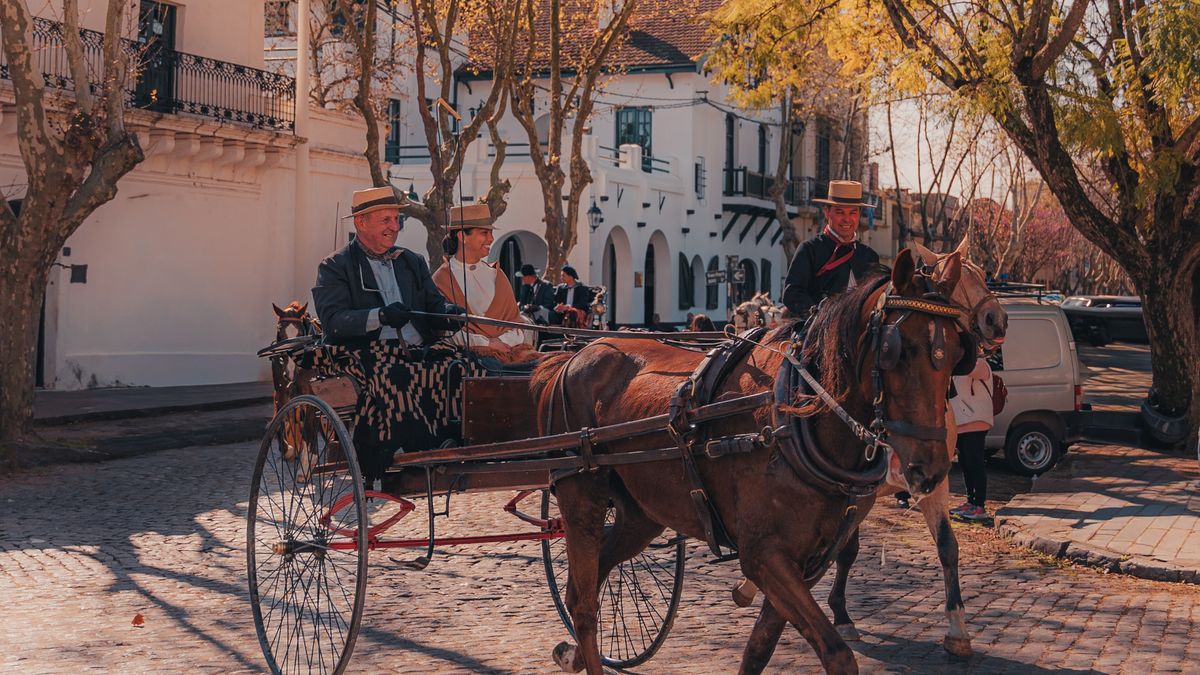
There is nothing quite like the rhythm of hooves and wheels on a quiet country lane, but that pleasure depends on preparation. A carriage outing involves a living animal, a mechanical vehicle and the unpredictable public highway. The difference between a memorable drive and a nasty incident often comes down to five minutes of methodical checking before you ever mount the box. This checklist is not about distrust; it is about respecting the tradition. Make it a ritual, and it will keep you, your horse and your passengers safe.
Every drive begins with the harness. Trace each strap from the horse to the carriage with your hands, not just your eyes. Run your fingers along the leather to feel for cracks, stretched holes, dry rot or stitching that has begun to fray. Pay particular attention to the girth, breeching, traces and pole straps, as these take the greatest strain.
If anything looks doubtful, replace it. A spare strap in the box is no substitute for one that is sound on the horse.
Quick-release mechanisms are a wonderful innovation, but only if they work instantly and only when you intend them to. Before you set off, identify every quick-release point on your harness and carriage: quick-release tugs, shackles, and emergency harness releases. Test each one with gloved hands, as you would in a real emergency.
In an emergency, you will not have time to puzzle it out. Muscle memory is your friend.
The carriage may be traditional, but its tyres are as safety-critical as those on any vehicle. Pneumatic tyres should be checked for correct pressure while cold; under-inflation causes heat and poor braking, while over-inflation reduces grip on wet tarmac. Look for cuts, bulges and embedded flints, and prise out any stones before they work their way into the casing.
Brakes are your primary control on hills and in traffic. Check the brake blocks for wear and glazing, and ensure they contact the tyre or drum squarely. Look at cables, rods and linkages for fraying, bends or loose pins. With the horse still in the stable, apply the brake and try to push the carriage; it should not move.
Finally, turn to the horse and the people. Pick out feet, check shoes are secure, and look for any heat, swelling or bruising on the girth area and back. Groom the harness area so no grit will rub. Brief your passengers: they should sit still, keep hands inside, and never grab the reins. Distribute weight evenly and secure any loose items.
These checks take minutes, but they build a lifetime of safe, joyful driving. Traditional carriage driving is a partnership between heritage and vigilance. Honour both, and every outing becomes a pleasure worth preserving.

Hi, my name is Anthony kuber. I am artist and fashion designer.
I love to travel and writing blogging.
Your email address will not be published. Required fields are marked *
Software Developer & Writer
Hey, I'm Diva, a developer and writer blending code and creativity. I'm driven by a deep curiosity and a relentless pursuit of excellence. Join me as I craft digital solutions and captivating stories.


