
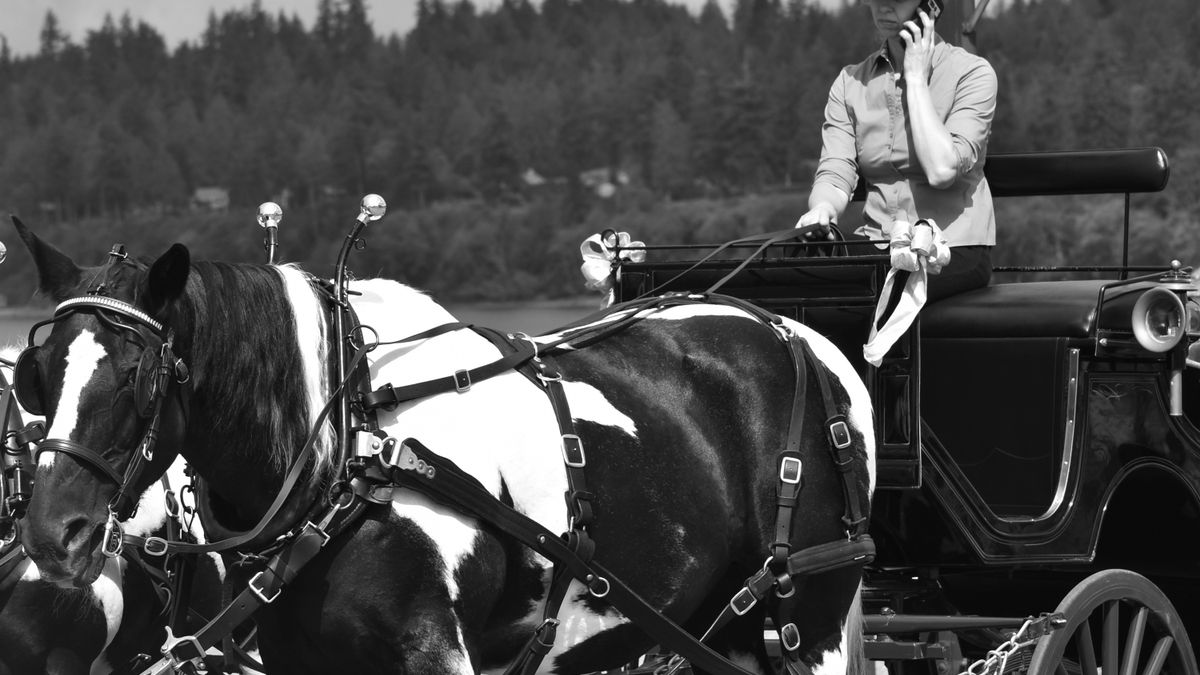
Ask any experienced whip what makes a drive go smoothly and the answer is rarely the turnout or the polish on the brass. It is having someone behind or beside them who knows what they are looking at. A groom on a carriage driving day is not a passenger enjoying the view; they are the second pair of eyes, the second pair of hands, and often the only reason a tight gateway or a bolting tractor does not turn into a story for the pub later.
The division of labour is simple enough in theory. The driver holds the reins, reads the horse, and thinks about the next hundred yards. The groom handles everything else: harness integrity, gates, traffic, the small crises and the horse's comfort over a long morning. In practice, that means being alert from the moment the harness comes off the rack to the moment the last buckle is sponged clean.
Most harness faults announce themselves before you ever leave the yard, so take five quiet minutes while the horse is standing still and go round with your hands, not just your eyes. Fingers find a cracked billet or a perished loop long before sight does.
Fit your own kit to the job as well. Gloves you can grip a gate latch in, boots with a proper tread and a heel that will not slide through a floorboard, and a watertight apron for the wet days. Anything loose — a scarf, a dangling coat — is a snag waiting to happen around a wheel.
Gates are where the groom earns their keep. Unless the driver is alone or the arrangements are different, the groom normally dismounts on the near side, which keeps you away from passing traffic and means you are working on the side the horse understands. Get down facing the carriage, keep your weight close to the hub as you step, and never let the reins go loose while you are off the seat.
Open the gate, then swing it well back and hold it — a half-open gate is an invitation to a scraped panel. If the horse is fresh, lead rather than send, and offer the driver a clear verbal cue every time. Close and latch the gate again before you remount. On the road, a raised hand and a firm "steady, please" does more to slow a car than any amount of glaring, and it is worth making eye contact with drivers whenever you can.
In traffic, sit tall and stay quiet. Keep your hands off the reins unless the driver asks, and take your cue from them: if they say hold the head, that means stepping forward and taking the bridle quietly at the head, not grabbing at it.
The driver is watching the road; the groom is watching the horse. Learn the difference between a horse blowing after a hill and a horse genuinely labouring, and say something early rather than politely. Sweating along the flanks in cold weather, nostrils flaring, head tossing at the bit, a hind leg snatching at the carriage, or a change in the rhythm of the stride all deserve a mention.
On longer outings, plan a stop before the horse asks for one. Loosen girths slightly, sponge the nostrils and eyes, offer water, and pick out feet to remove stones and packed grit. Watch the places where harness rubs: the corners of the mouth, behind the elbow, over the withers and under the dock. A little sweat on the leather is normal; a heat lump or bare patch needs attention and possibly a soft pad before you set off again.
Good driving partnerships run on plain language and agreed signals. Settle before you leave the yard on what "hold hard", "walk on", "take the gate" and "stand" mean in your turnout, and stick to them. Sit where you can see the horse's ears without turning round, keep your weight low and central on the seat, and never step off a moving carriage.
Praise matters as much as correction. A word for the horse at a tricky junction and a "nicely done" for the driver at the end of a long stretch builds the sort of trust that makes the next outing easier for everyone.
Grooms finish the day as they began it. Unhitch methodically, lead the horse out before the carriage is pushed away, wash off sweat with warm water, and let the horse move about before rugging up. Then strip the harness, sponge every strap with clean water, hang it in shape and out of the sun, and check the carriage over for loose nuts, cracked shafts and any slack trace. Ten minutes now saves a repair bill later, and it means the harness is ready for the next drive, not merely put away.
That quiet competence is the real heritage of carriage driving: skills passed from groom to groom across stable yards and showgrounds for generations, still doing exactly what they have always done — keeping horse, carriage and driver safe on the road home.

Hi, my name is Anthony kuber. I am artist and fashion designer.
I love to travel and writing blogging.
Your email address will not be published. Required fields are marked *
Software Developer & Writer
Hey, I'm Diva, a developer and writer blending code and creativity. I'm driven by a deep curiosity and a relentless pursuit of excellence. Join me as I craft digital solutions and captivating stories.


