
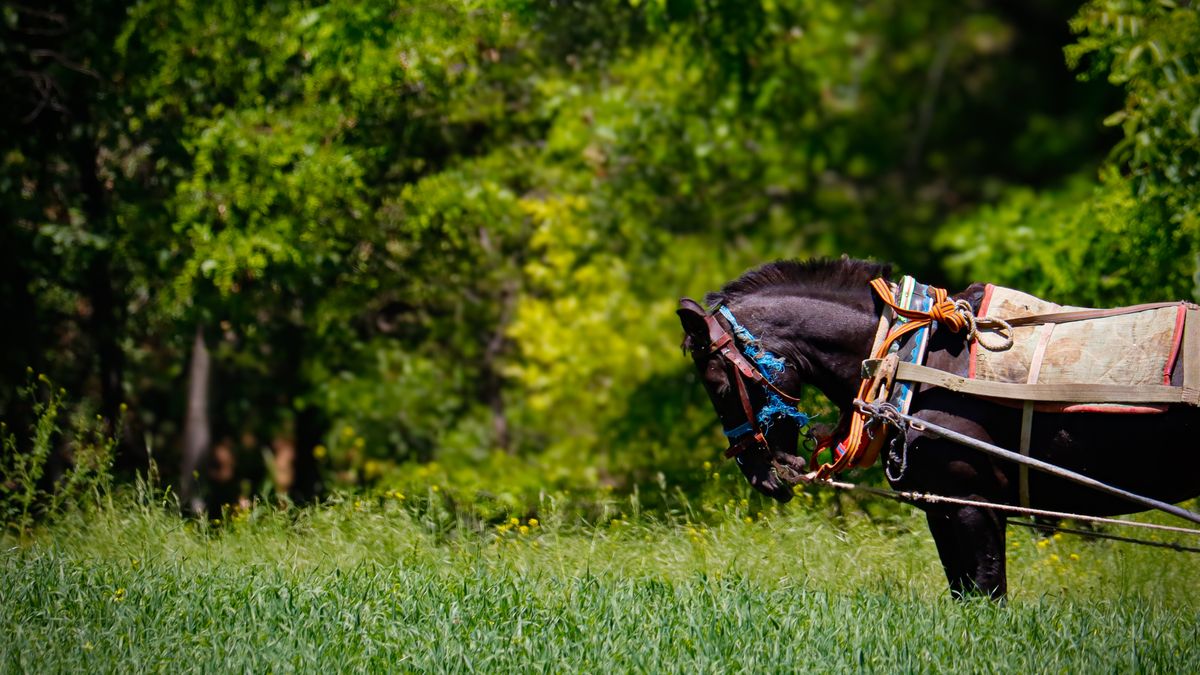
Carriage driving shows are among the friendliest corners of British equestrian life, and there is rarely a better way to spend a summer Saturday than at one. You will find them at county shows, on working farms, in village parks and at dedicated driving trials, and they are usually inexpensive or free to watch. The sound of hooves, the jingle of harness and the creak of wooden wheels is inseparable from our countryside heritage — these events keep alive skills that were once everyday and are now carefully preserved. Arrive early, buy a schedule if one is available, and give yourself time to wander between the rings.
Most competitive events follow the classic format borrowed from eventing, with three phases spread across one or two days.
Between phases, horses are rested, watered and checked by a vet, and the ten-minute box before the final obstacle section is a busy, focused place to watch.
At a pleasure or breed show the picture is wider. A turnout means the whole thing — animal, vehicle, harness, driver and groom — judged as a complete picture. Classes are divided by height, by type of vehicle and by the number of animals: single, pair, tandem and the magnificent four-in-hand. Vehicles range from a light exercise carriage to a beautifully restored two-wheeled gig or a four-wheeled wagonette.
Private driving classes judge manners, condition, the neatness of the harness and the driver's quiet handling, with a drive round the ring and a walk and trot past the judge. There are also concours d'élégance classes where period costume and historic carriages come out, and young driver classes for those under fourteen. Look out for the working and agricultural turnouts too, where the rural roots of the sport are most visible.
Harness is the unseen hero of the day, and judges inspect it closely — inside and out. A good harness is clean, supple and correctly fitted, with polish on the brass and no cracked or dry leather. Every driver checks the stitching on the traces and reins, the buckle tongues and the security of the quick-release fittings before they go anywhere. Carry spares of everything you reasonably can, and inspect again after each phase.
Poorly fitted harness rubs a horse; a broken trace on the marathon is genuinely dangerous; a dropped rein means a loose horse. Padding, breastplate fit, breeching adjustment and the height of the saddle all matter, and a good groom can spot a rub or a twisted strap at a glance. When you watch a harness inspection, you are seeing decades of saddlery knowledge distilled into a few minutes.
Spectators make an event, and a few simple courtesies keep everyone safe and happy.
Every carriage driving show is a small act of preservation. Harness making and repair, wheelwrighting, coachbuilding, carriage restoration and the patient training of a horse to pull calmly through traffic and across fields are all traditional crafts that survive because people keep using them. It is worth lingering to talk to owners and stewards, and most clubs warmly welcome volunteers, helpers and new members. Whether you come as a spectator, a groom learning the ropes, or a driver bringing on a young horse, you will find a generous and welcoming community — and a thoroughly good day out.

Hi, my name is Anthony kuber. I am artist and fashion designer.
I love to travel and writing blogging.
Your email address will not be published. Required fields are marked *
Software Developer & Writer
Hey, I'm Diva, a developer and writer blending code and creativity. I'm driven by a deep curiosity and a relentless pursuit of excellence. Join me as I craft digital solutions and captivating stories.


