
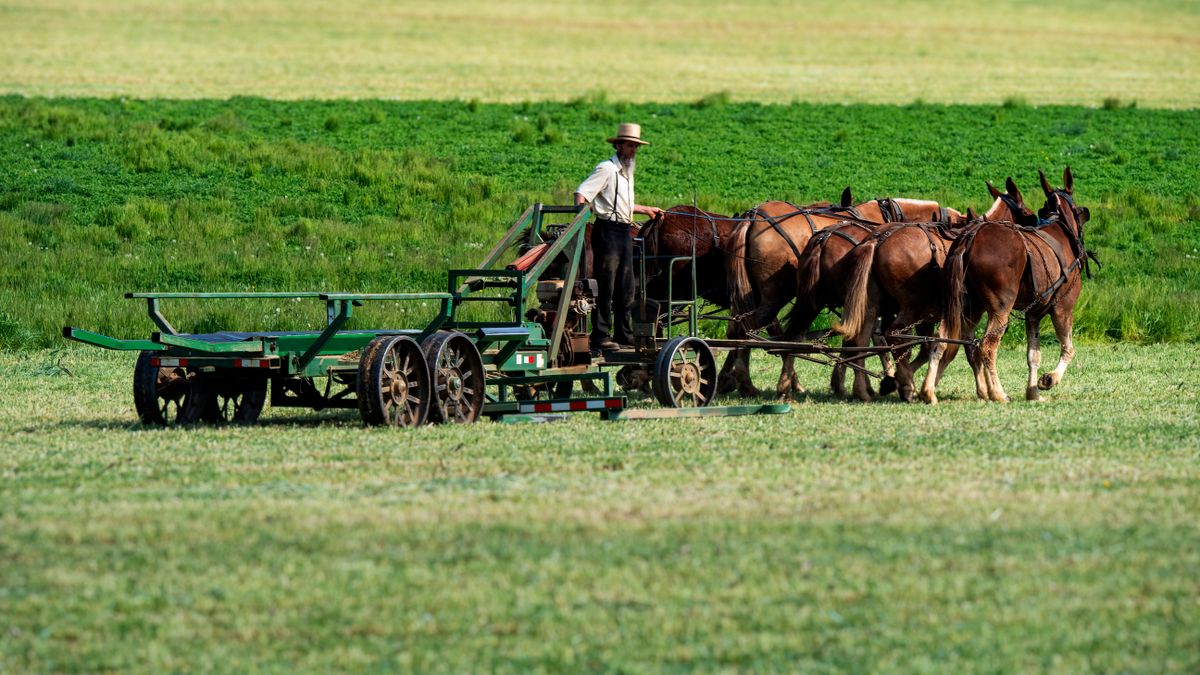
Traditional carriage driving in the UK is a conversation between horse, vehicle, and ground. The wheels are the point of contact, and their design changes everything: how much effort the horse must give, how much shock reaches the harness, and how safe you feel on a wet lane or a chalk track. Pneumatic, iron and wooden wheels each have a distinct character. Matching them to the terrain is not fussiness; it is good horsemanship and a mark of respect for rural heritage.
Iron wheels — whether solid cast iron or, more commonly, iron tyres shrunk onto wooden felloes — are the traditional choice for roads and firm tracks. On tarmac, hard-packed gravel, and dry stone byways, they roll with low resistance and remarkable durability. They do not squirm or puncture, and they carry weight without complaint.
But iron is unforgiving. Every stone, every pothole, every ridge is transmitted through the frame to the horse’s back and the harness. On wet grass or muddy clay, iron skids and cuts ruts. It offers little flotation and can sink in soft ground. Use iron wheels on hard surfaces, and ensure your harness has generous padding at the breast and saddle to soften the jarring. Check breeching and traces regularly, as vibration loosens stitching and buckles.
Pneumatic tyres, filled with air, are the modern compromise for mixed surfaces. They absorb shock beautifully, making long drives on tarmac or stony bridleways far kinder to horse and passenger. On uneven farm tracks, they smooth out the chatter that iron amplifies. They also give better grip on wet tarmac and hard-packed earth.
The trade-offs? Punctures, sidewall damage, and lower ground clearance. A sharp flint or a broken bottle can end a drive. Pneumatic tyres also flex under load, which can make a heavy carriage feel less precise. Keep pressures correct — too soft and the tyre squirms and overheats; too hard and you lose the cushioning. On deep mud or loose sand, they can float briefly but soon dig in. For harness care, pneumatic tyres reduce the constant vibration that wears leather and rattles buckles, so your harness stays supple and secure for longer.
Wooden wheels — often with a thin iron band but where the timber provides the main structure — are lighter and more forgiving than solid iron. The wood flexes slightly, which helps on grass, woodland rides, and soft tracks. They are gentler on the horse’s legs and cause less damage to delicate ground. Their wider felloes also spread weight a little better than a narrow iron tyre.
However, wooden wheels need dry conditions. Prolonged wet weather swells the timber and can loosen the tyre. On tarmac, they wear quickly and offer less grip than rubber. On steep, wet grass, they can slide sideways. Inspect the wood for splits and the iron band for tightness before every drive. A wooden wheel that fails at speed is dangerous, so keep them for summer meadows, parkland, and heritage events where their beauty and tradition shine.
Think of the ground beneath you before you choose a wheel. A quick guide:
Wheel choice also affects your harness. Iron wheels demand a well-fitted collar, broad breastplate, and padded saddle to absorb shock. Pneumatic tyres allow a lighter harness with less padding, but check all fittings for security. Wooden wheels need a harness that allows free shoulder movement, as the horse may need to balance more on uneven grass. Whatever the wheel, clean and oil your harness after every drive — mud and grit from the road or track will grind leather and weaken stitching.
Traditional carriage driving in the UK is not a museum piece. It is a living skill, passed down through generations of wheelwrights, harness makers, and drivers who knew that the right wheel for the ground meant a safe journey and a contented horse. Whether you are driving a light gig on a tarmac lane or a heavy wagon across a stubble field, respect the terrain. Match your wheels, mind your harness, and you will keep both horse and heritage in good heart for years to come.

Hi, my name is Anthony kuber. I am artist and fashion designer.
I love to travel and writing blogging.
Your email address will not be published. Required fields are marked *
Software Developer & Writer
Hey, I'm Diva, a developer and writer blending code and creativity. I'm driven by a deep curiosity and a relentless pursuit of excellence. Join me as I craft digital solutions and captivating stories.


