
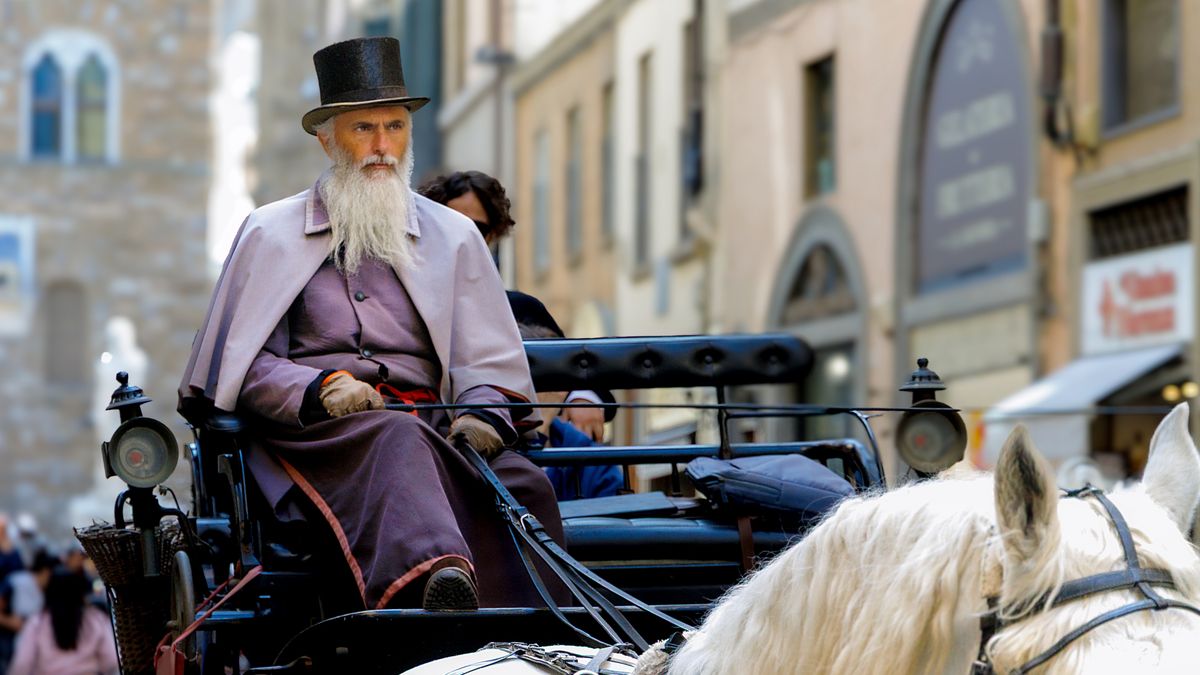
Ask any experienced whip and they will tell you: driving is not riding without a saddle. There are no legs around the barrel, no weight shifted back to steady a horse, no seat to slow the gait. Everything — the go, the stop, the turn, the balance — travels down the reins to a bit and bridle. That puts the mouthpiece, and the fit of the whole bridle, under far greater scrutiny than a ridden horse usually faces.
Good driving bits are not severe by nature; they are designed to be understood. A horse that can read the reins clearly, without discomfort, will travel on a soft, rhythmic contact and keep itself balanced between the shafts. A horse that cannot will lean, twist its head or run through the hand — and in a carriage that is a safety matter as much as a schooling one.
Driving bridles are built more sturdily than most ridden bridles. The cheek pieces, blinker stays and headpiece take a constant, if light, load, and everything must stay exactly where it was put.
A Liverpool bit is a tuning tool, not a punishment. The top slot gives the least leverage; the middle and bottom slots add progressively more. Start on the mildest setting that gives you genuine, comfortable control, and move down a slot only if a horse is ignoring a fair aid. Many drivers never need more than the top slot or the bottom ring.
The curb chain converts leverage into downward pressure on the poll and chin groove. It should lie flat in the groove with a two-finger gap, never so tight that it applies constant pressure. A lipstrap, fitted loosely beneath the chain, stops it slipping off the bit and is cheap insurance. Check it after every drive: a rusted or twisted chain will rub and will not lie flat.
Driving a single horse, most whips hold a rein in each hand and can feel every change in the mouth. Driving a pair, the four reins arrive in two hands, each horse's feel separate — which is exactly why consistency pays. Where possible, put a pair in matching bits and matching bridles. Your hands then learn one sensation, and any difference in the reins is a message from a horse rather than a quirk of the equipment.
Horses are individuals, though. A stronger horse may need a curbier setting than its partner; a sensitive one a softer mouthpiece. What matters is that each is comfortable and responsive, and that you know which rein is which and why it is set that way. In a team, where the reins are gathered into one hand and the whip is carried in the other, clarity of feel matters even more.
Rinse the mouthpiece after every drive, dry the cheeks and curb chain, and wipe the leather with a damp sponge before conditioning it. Salt and grass stain quietly rot stitching, and a bridle that fails at the wrong moment puts both horse and driver at risk. Inspect blinker stays, buckle tongues and the stitching around the headpiece regularly, and have anything doubtful repaired by a saddler.
There is real heritage in all this. The Liverpool, the Buxton and the Mullen mouth have served working horses for generations, and the skill of fitting a bridle by eye and by feel has been handed down through the driving community. Learn from those who have driven longer than you, change one thing at a time, and let your horse tell you when you have it right — usually by taking a soft, even contact and carrying you down the lane as though the carriage were not there at all.

Hi, my name is Anthony kuber. I am artist and fashion designer.
I love to travel and writing blogging.
Your email address will not be published. Required fields are marked *
Software Developer & Writer
Hey, I'm Diva, a developer and writer blending code and creativity. I'm driven by a deep curiosity and a relentless pursuit of excellence. Join me as I craft digital solutions and captivating stories.


